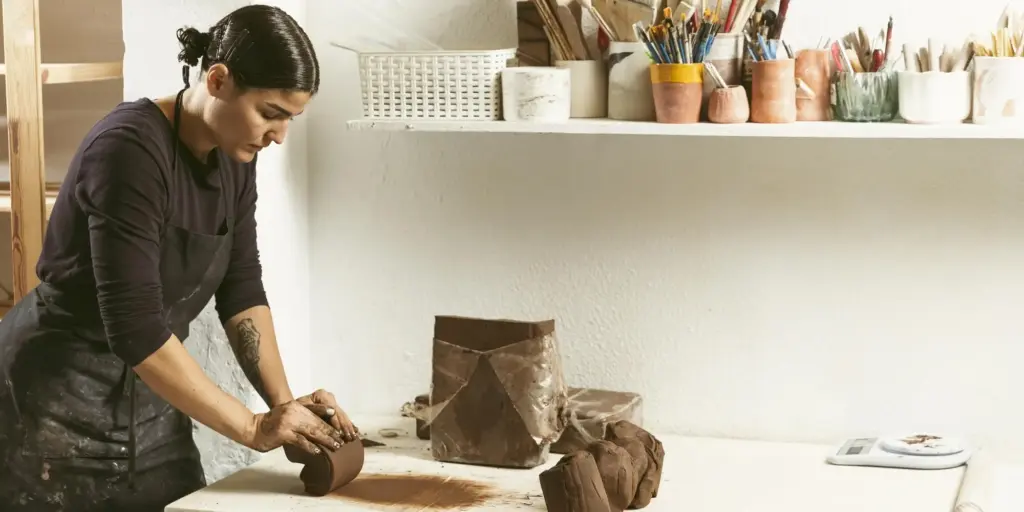
Hands, Heart, and Highlands: Growing Slowcraft Across the Alpine‑Adriatic

Today we explore apprenticeships and maker residencies as living pathways that build a slowcraft talent pipeline across the Alpine‑Adriatic, connecting mountain workshops and coastal studios through patient learning, ethical support, and place‑based creativity. Expect practical guidance, moving stories, and invitations to participate. We’ll walk from bench to bench, listen to materials speak, and trace how people, forests, stones, and shorelines collaborate. If you care about craft that lasts, livelihoods with dignity, and communities that welcome new hands, you are in the right place with us today.

Learning Beside Masters, Earning Skills That Last

Long before certificates appear, competence grows through steady days near a practiced hand, where the pace is humane and the work honest. Here we consider how careful agreements, clear expectations, and generous critique turn curiosity into capability. Across valleys and ports, elders teach rhythm and restraint, while newcomers bring fresh eyes and questions. The result is not only objects, but confidence, safety, and community memory. With sensible timelines and respectful pay, apprenticeships become bridges from wonder to workable livelihoods, resilient enough for seasonal rhythms and regional realities.

From Shadowing to Shared Tools

The first weeks often mean sweeping floors, fetching timber, labeling chisels, and listening for the workshop’s hum. Soon the apprentice is sharpening, truing, and joining, guided by touch and tone. This progression centers safety, patience, and tiny victories. Daily logs, morning check‑ins, and short demonstrations build reliable habits without hurry. The shift from watching to doing happens in layers, with each small responsibility matched to readiness. By month’s end, two sets of hands anticipate each other, and the bench becomes a shared space of trust.

Fair Pathways, Clear Expectations

Clarity protects everyone. A plain‑language agreement outlines learning goals, paid hours, tool access, holidays, and review points aligned with local wage standards and living costs. Transparency removes guesswork, ensuring respect for both teaching time and productive output. Mentors set boundaries around rush jobs, apprentices set boundaries around fatigue, and together they schedule focused practice blocks. Occasional external feedback keeps growth honest. With fairness embedded from the start, motivation stays bright, and the workshop’s culture remains healthy for the next learner waiting at the door.

Residencies Rooted in Place

Studios Ready for Dialogue

A welcoming studio lists tool inventories, safety practices, and neighborhood rhythms on day one. Power outlets are mapped, extraction works, and loaner tools are labeled. A simple glossary eases technical vocabulary across languages. Hosts plan an open morning to meet nearby artisans, fixers, and suppliers, inviting candid questions about sourcing and prices. Weekly tea times keep feedback humane, while clear signage limits disruptions. Thoughtful logistics free attention for experimentation, so conversations deepen, designs mature, and the visiting maker’s work joins the place instead of floating above it.

Materials Speak the Landscape

Residency prompts can listen to what the region already says: larch that moves with weather, chestnut that resists decay, wool that remembers slopes, clay that echoes riverbeds, and limestone that breathes with limewash. Constraints become allies—seasoning times, kiln sizes, humidity, and transport routes guide decisions. Field walks with foresters, shepherds, and quarry workers make supply chains visible, encouraging respectful extraction and generous reuse. When materials lead, outcomes feel inevitable, modest, and durable, embodying both place and maker without forced symbolism or hurried spectacle.

Care, Hospitality, and Wellbeing

Hospitality is infrastructure for courage: safe housing within a short walk, a bicycle or transit card, pantry staples, and a map of quiet places to think. Mentors schedule studio lunches where critique arrives with soup, not stress. Clear boundaries protect rest days, and a buddy system helps with hardware stores or regional accents. Small mindfulness habits—stretch breaks, ear protection rituals, sweeping together—keep bodies steady. When care is reliable, risks become playful rather than frightening, and visiting makers leave with stronger work and healthier rhythms they can sustain.

Designing a Connected Pipeline

A healthy pipeline feels like a river, fed by many streams: school curiosity, weekend workshops, trial apprenticeships, long placements, residencies, and cooperative ventures. Movement should be possible without losing roots, and recognition should travel across borders without abandoning local nuance. Here we sketch wayfinding tools, micro‑credentials, and exchange programs that help people progress predictably. The aim is continuity: each step clears the next, mentors share load, and communities see apprentices return as peers. Over time, the region cultivates capacity, not dependency, and craft livelihoods endure.

Wayfinding from Curiosity to Livelihood

Start with school visits where artisans demonstrate safe tool handling and tell honest income stories. Add taster weekends that let teenagers and mid‑career shifters handle wool, stone, or timber without commitment. Short pre‑apprenticeships follow, focusing on punctuality, posture, and simple repairs. Clear calendars map seasonal opportunities, while advisors match interests to mentors. This scaffolding turns scattered enthusiasm into committed practice, reducing dropout and disappointment. With kind checkpoints and realistic expectations, newcomers move from hobby to paid hours with dignity, witnessing a workable path before leaping.

Micro‑Credentials with Soul

Badges should mean something you can feel: steady knife angles, clean mortises, even wall lime, reliable glaze tests. Local guilds, schools, and co‑ops co‑sign criteria, and photos anchor each claim. Cross‑border agreements respect differences while honoring shared fundamentals, letting employers understand what a badge implies. Progression stacks—foundation, intermediate, specialist—without gatekeeping. A small ceremony marks each milestone, reminding everyone that mastery is social. These credentials speak to hands and markets alike, supporting fair pay, safer hiring, and smoother collaborations within the entire region’s network.

Mobility Without Losing Roots

Exchanges expand horizons while return paths keep communities vibrant. Makers spend a season across the ridge, then bring back tricks for clamps, dyes, or jigs. Language buddies demystify dialects, and shared tooling lists reduce packing stress. Hosts offer low‑rent benches for returnees, encouraging new micro‑enterprises. Alumni circles swap leads and troubleshoot invoices. Movement never equals exile; it becomes pollination. Over time, workshops stay grounded yet porous, absorbing influences while protecting local cadence. Mobility strengthens identity by testing it gently, in good company, with room to breathe.

Materials, Ecology, and Pace

Slowcraft means listening to seasonal tempos and ecological facts. Drying times, pasture rotations, and quarry rests become calendars, not constraints. Forest cooperatives, river stewardship, and circular repair practices keep inputs honest and outputs repairable. The Alpine‑Adriatic’s diversity—alpine forests, karst stone, coastal light—invites techniques that waste less and age better. Here we translate ecology into workshop routines that build resilience rather than burnout. The reward is elegant modesty: parts sized to boards, colors matched to minerals, and finishes that welcome weather instead of hiding from it.

Journeys You Can Feel in Your Hands

Stories make systems memorable. Across valleys and shores, learners and hosts improvise solutions that formal plans might miss. A misplaced chisel sparks a safety ritual; a rainy week births a jig that saves hundreds of hours later. The following vignettes travel from wood to clay to boats, revealing how attention and generosity convert obstacles into heritage. They also invite you to share your own moments—breakthroughs, doubts, and the small gestures that kept you going—so the region’s craft memory grows braver, kinder, and more complete together.

Shared Pots and Fair Stipends

Cooperative micro‑funds let several workshops host learners without gambling rent money. Local businesses sponsor safety gear, while festivals cover open‑studio costs. Stipends reflect housing reality and commute time, not fantasy budgets. Payment schedules match learning arcs, with bonuses for documented competencies rather than vanity metrics. Mentors receive teaching honoraria, acknowledging slowed productivity. Simple bookkeeping templates reduce headaches, and a solidarity line supports emergencies. When money moves predictably and respectfully, attention returns to tools, wood, clay, stone, and the steady growth of confident, employable hands.

Programs That Unlock Doors

Regional chambers, cultural offices, and cross‑border initiatives can underwrite exchanges, traveling showcases, shared equipment libraries, and translation support. Applications work best in two pages with clear calendars and community letters, not jargon. Partnerships bridge schools, guilds, farms, and museums, spreading both risk and insight. Where possible, match small grants with shop time instead of demanding cash matches. Evaluation favors lived outcomes—repairs completed, apprentices retained, collaborations formed—over glossy brochures. Programs remain flexible for storms, harvests, and family care, trusting that resilient schedules produce resilient craft businesses.

Evidence, Stories, and Invitations

Track just enough: competency checkpoints, survey snapshots, and photos of processes with permission. Pair numbers with human narratives so funders and neighbors feel the stakes. Publish brief notes after open studios, invite subscribers to material walks, and ask readers to share needs or offers. Alumni host Q&A evenings for the next cohort, turning success into shared infrastructure. If this vision resonates, add your voice—comment with a memory, propose a residency prompt, or volunteer a bench. Together, we can keep the pipeline generous, transparent, and rooted.

Mexodarinaridavovexo
Privacy Overview

This website uses cookies so that we can provide you with the best user experience possible. Cookie information is stored in your browser and performs functions such as recognising you when you return to our website and helping our team to understand which sections of the website you find most interesting and useful.