From Peaks to Shores: Crafting with Stone, Larch, Olivewood, and Clay
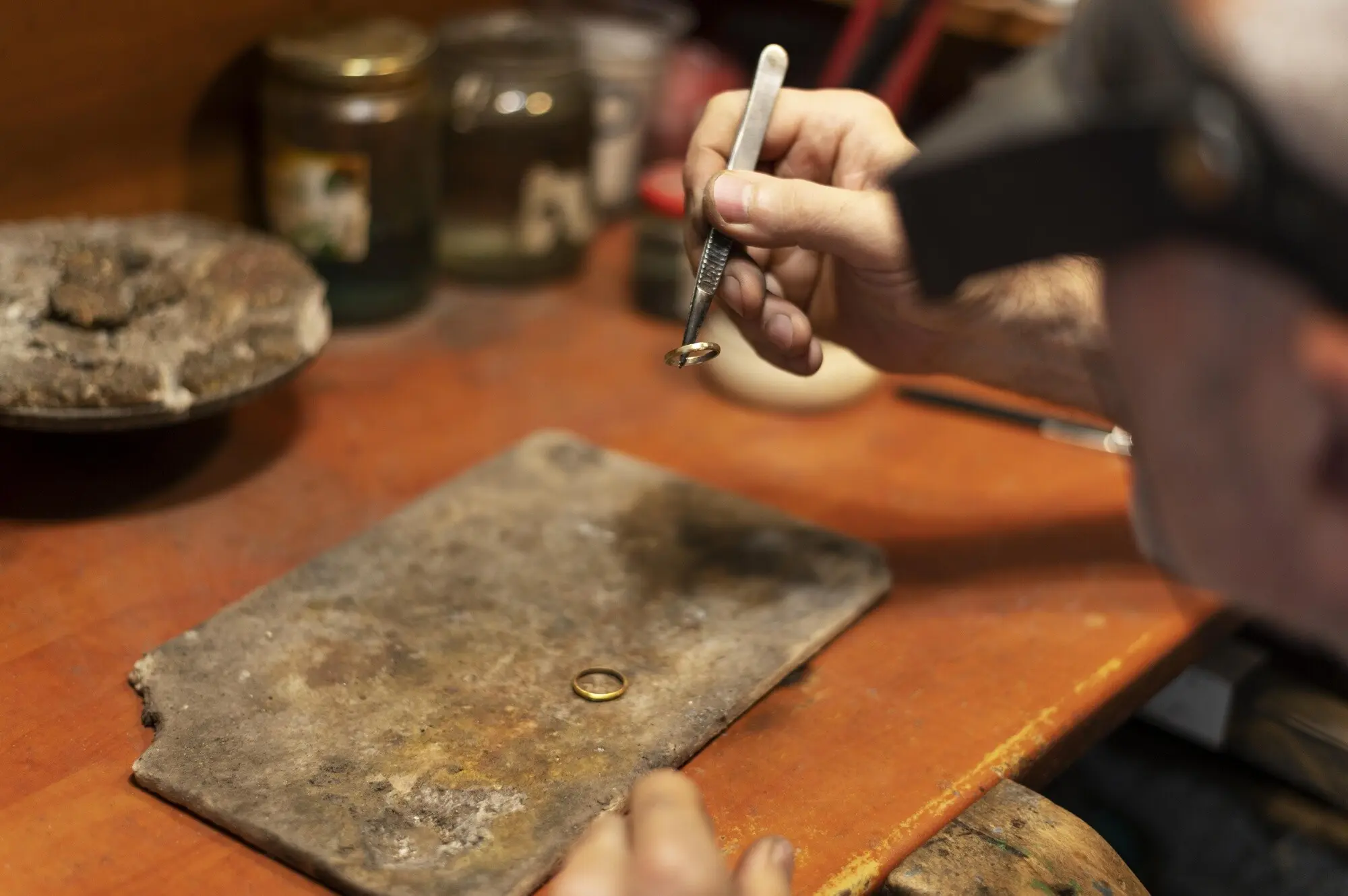
Today we explore Regional Materials for Makers: From Alpine Stone and Larch to Adriatic Olivewood and Clay, tracing how landscape, climate, and culture give each resource its voice. Expect practical techniques, sourcing wisdom, and design ideas, plus candid workshop stories that reveal successes, mishaps, and lessons worth keeping. Share your own experiences working with mountain stone, highland timber, coastal olivewood, or shoreline clay, and let’s build a generous community where knowledge travels as freely as inspiration.

Landscapes That Shape Material Character

Stone Born of Pressure and Ice

Alpine stone carries glacial polish, mineral veining, and a cool, ringing confidence under hammer and chisel. It asks for patience, steady rhythm, and respect for cleavage lines. Notice how frost weathering creates microfractures that guide tool choices and edge angles. In finished pieces, subtle striations catch morning light beautifully, making tabletops, steps, and mortar-stone vessels feel timeless yet personal. Invite the mountain’s calm into functional objects that endure changing owners and seasons without complaint.

Larch Forged in Wind and Altitude

High-elevation larch grows slowly, laying down dense growth rings that shrug off weather and wear. Its resin content smells faintly of forest after rain and naturally resists rot, making it excellent outdoors and wherever durability matters. Plane it with keen irons; skew the cut and you’ll reveal golden ribbons that shimmer along quarter-sawn faces. When boards season properly, joinery sings tight and true. In structures or furniture, that alpine steadiness translates into reliability you can feel with every touch.

Groves and Shores: Olivewood and Coastal Clay

Along the Adriatic, olive trees twist over centuries, storing stories in dramatic, interlaced grain that thrills turners and carvers alike. Pruning yields small, characterful blanks perfect for utensils, handles, boards, and keepsakes. Nearby, clay beds settle from river mouths and tidal flats, lending iron-rich warmth or chalky coolness, depending on deposits. Each lump carries a coastline’s rhythm, responding to the wheel with lively plasticity. When paired—olivewood’s tight grain beside ceramic softness—they create table settings with disarming charm and place-aware presence.

Hands, Tools, and Proven Techniques

Reading the Grain, Riding the Edge
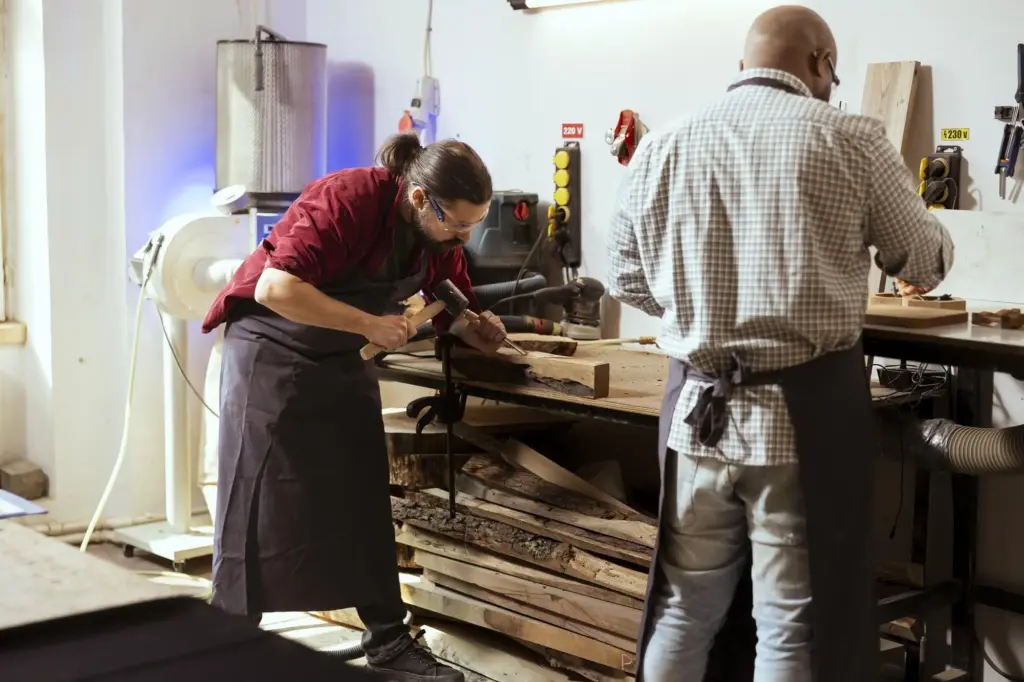
With larch and olivewood, start by mapping grain direction and density shifts, then choose tools accordingly. A high-angle smoothing plane tames interlocked figure, while a fine-toothed rip saw reduces tear-out on narrow stock. For turning olivewood, ride the bevel, keep tools keen, and pause to monitor heat checking. Sharp scrapers refine without bruising fibers. Try a card scraper for final surfaces, then ease edges lightly. Your goal is clarity in the grain, not gloss alone—let structure, not polish, carry the beauty.

Chisels, Feathers, and Wedges on Stone

Stone work begins with listening. Tap test to hear fractures, then set feathers and wedges along marked lines for controlled splits. A pitching tool cleans edges, point chisels rough in, and tooth chisels refine planes while revealing texture. Wet the surface to watch veins emerge before decisive strikes. Keep dust managed and edges dressed often. Move from aggression to grace, finishing with abrasives that honor natural sheen rather than forcing excessive shine. The stone will guide you when you let it speak first.

Wheel, Coil, and Turn: Clay and Olivewood Rhythms

Clay demands attention to water content and timing. Wedge thoroughly, throw confidently, then pause at leather-hard for trimming that balances foot and wall. Experiment with grog for structure or finer bodies for porcelain-like delicacy. In parallel, olivewood turning rewards gentle cuts and disciplined sanding sequences that avoid clogging. Alternate grits, blow out dust, and apply thin oil coats between rests to prevent blotching. Switching between wheel and lathe sharpens tactile sensitivity, training hands to recognize subtle shifts in resistance and flow.

Sourcing with Respect and Lawfulness

Materials are more than inventory; they are relationships. Ethical sourcing honors landscapes, workers, and traditions, ensuring continuity and dignity along the supply chain. Verify permits, certifications, and stewardship practices, ask hard questions, and pay fairly. Favor byproducts and prunings over extraction where possible, and support local mills, co-ops, and small quarries that reinvest in community knowledge. Transparency is also a design asset: when customers learn where each board, boulder, or lump of clay began, value increases, and so does shared responsibility.

Quarries, Offcuts, and Traceability

Build relationships with small Alpine quarries willing to provide provenance and safety protocols. Offcuts and weathered slabs often deliver beauty at humane prices while reducing waste. Log batches, strata notes, and dimensions in a simple ledger for repeatability and storytelling. Photograph blocks before cutting to capture context. When you disclose origin and handling in product pages or studio notes, clients feel included and invested. That trust often returns as referrals, patient timelines, and permission to explore bolder, place-honoring designs.

Foresters, Certifications, and Seasoning

Seek larch from responsibly managed forests with clear harvest records and transport documents. FSC or PEFC certifications help, but nothing beats knowing the forester and miller personally. Buy green when sensible, then stack and sticker with disciplined airflow, sealing ends against checking. Track moisture with calibrated meters and resist the urge to rush. Well-seasoned boards reward patience for decades through movement stability and joinery fidelity. Share your drying process with customers; education turns waiting into anticipation rather than anxiety.

Design Stories That Carry Place

Objects earn meaning when materials and forms echo the places they come from. Let silhouettes borrow from ridgelines, coastlines, and terraces; let textures mirror scree fields or ripples in tidal pools. Combine contrasting voices thoughtfully—stone’s permanence beside larch’s warmth, olivewood’s fragrance across ceramic calm. Include small narrative elements, like a carved contour or glaze drip, that reference a walk you took to find a vein or grove. Invite buyers to remember a journey each time they use the piece.

Sealers, Patina, and the Honest Scratch

Alpine stone tolerates life’s scrapes beautifully when finishes are chosen with humility. Penetrating sealers can reduce staining while allowing mineral depth to breathe. Light honing hides fingerprints better than mirror polish, and chamfers soften edges against chips. Teach owners to embrace hairline marks as travel notes, not flaws. Offer annual refresh services or simple at-home routines. When a surface records shared meals and celebrations without losing dignity, it graduates from product to companion, elevating your reputation with every passing year.

Resin-Rich Timber That Ages With Dignity

Larch already resists weather, so finishing aims to partner, not overpower. Wipe-on oils followed by hard wax build a tactile, repairable sheen that flat varnish cannot match. Control dust meticulously, burnish between coats, and celebrate medullary rays on quartersawn cuts. Outdoors, expect silvering; provide choices between embraced patina and preserved tone. Indoors, sunlight will warm colors slowly. Share photos of pieces at one year, three, and five; visible aging encourages responsible care and repeat commissions grounded in trust.

Food-Safe Oils and Tight Grain, Plus Kiln Truths

Olivewood’s tight grain loves thin coats of high-quality, food-safe oil, rested and buffed patiently. Avoid heavy saturation that turns gummy. For ceramics intended for daily meals, test absorption and thermal shock thoroughly, tuning bisque and glaze fires accordingly. Keep records of cone equivalence, ramp rates, and soak durations, then adjust when clay or season changes. Offer care instructions that are frank yet friendly. People appreciate clarity—hand-wash reminders feel kinder when paired with reasons anchored in material science.

Words That Invite Touch

Descriptions work best when they evoke the senses and honor specificity. Instead of generic superlatives, write about the grain that caught your thumb mid-sanding, the mineral streak revealed at the final hone, the clay’s scent when trimming. Use active verbs, simple sentences, and helpful measurements. Include care steps and origin lines in the first screenful. End with an invitation: ask readers to share how their piece lives in their home. Dialogue converts quiet admiration into informed, confident purchase decisions.

Pricing Heavy, Shipping Fragile

Stone and large ceramics challenge courier math; olivewood benefits from careful wrap against oils migrating into cardboard. Price transparently for materials, labor, overhead, and risk. Consider regional delivery days or partner galleries to reduce breakage. Offer sturdy, reusable crates or deposit-return packaging that rewards sustainability. Share packing photos and tracking rituals so buyers sense stewardship. When a piece arrives intact and beautifully, unboxing becomes part of the artwork’s story, and referrals multiply without a single paid advertisement.

Safety, Stewardship, and the Long Game
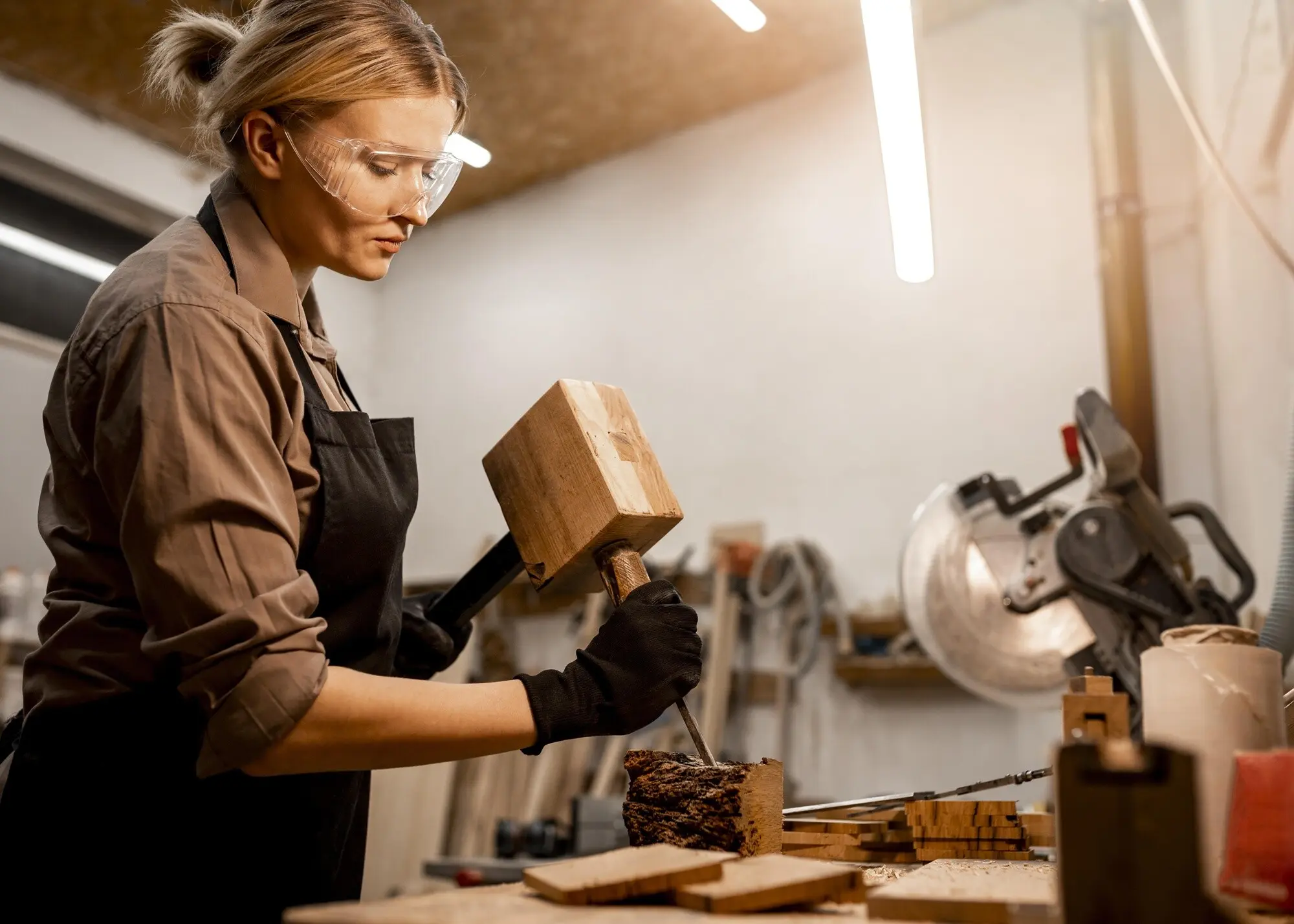
Good work sustains both maker and habitat. Dust control, hearing protection, and body mechanics safeguard careers measured in decades. Material efficiency and energy choices reduce footprint without diluting quality. Regular tool maintenance improves outcomes while lowering waste. Share these practices transparently—students, peers, and clients notice. When your studio models care from quarry to crate, your reputation becomes a quiet lighthouse. The long game is simple: keep learning, keep listening to materials and places, and keep returning value to both.
Mexodarinaridavovexo
Privacy Overview

This website uses cookies so that we can provide you with the best user experience possible. Cookie information is stored in your browser and performs functions such as recognising you when you return to our website and helping our team to understand which sections of the website you find most interesting and useful.