From Peaks to Shores: Building with Earth, Stone, and Timber in the Alpine–Adriatic

Join an uplifting journey into vernacular architecture and natural building techniques across the Alpine–Adriatic, where limestone farmsteads, timber chalets, and earthen finishes reveal resilient craft from Carinthia to Istria, inspiring climate-wise, low-carbon homes and neighborhoods shaped by people, place, and patience. Share your observations, questions, and workshop notes, and subscribe to join upcoming field visits and hands-on sessions.

Limestone Craft on the Karst and Istrian Fringe

Dry-stone walls and conical field shelters, known locally as kažun and similar huts, prove how precisely split blocks, tight bedding, and gravity alone can resist burja winds and centuries of use. Lime mortar appears sparingly, reserved for chimneys, vaults, and damp corners.

Timber Lines from Spruce and Larch

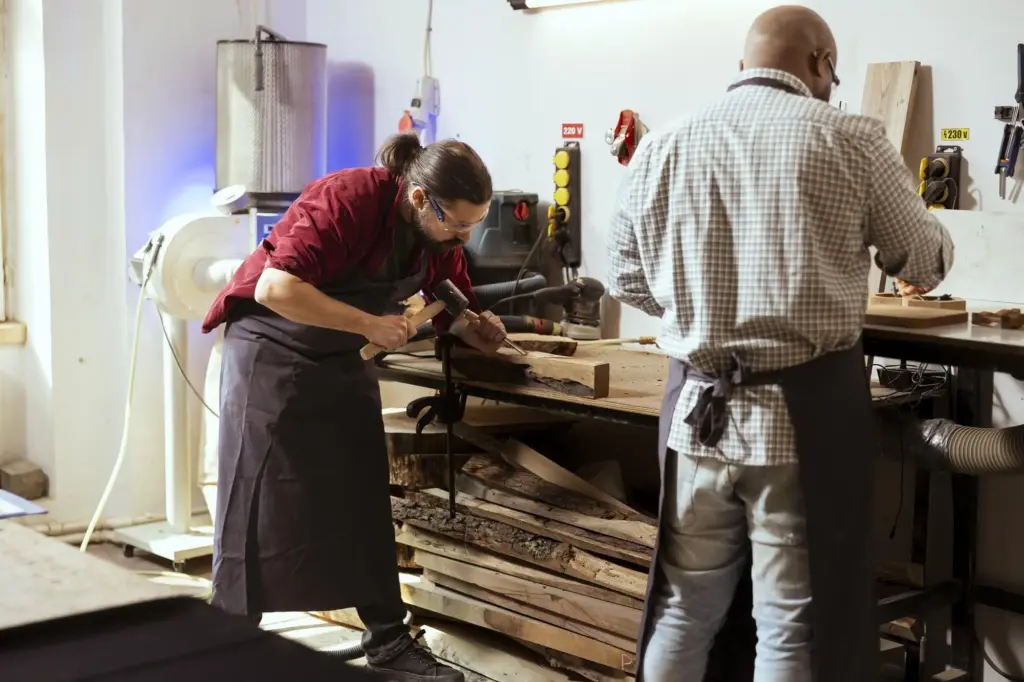
High pastures supplied straight timbers for sills, posts, and rafters, joined with pegged mortise-and-tenon, scarf joints, and dovetails. Broad eaves, stacked balconies, and carved braces protect the grain, while resinous larch cladding shrugs off snow, sun, and mountain mist without synthetic coatings.

Clay, Lime, and Gentle Binders

Clay-sand-straw mixes formed infill, floors, and plasters that breathe, buffer humidity, and welcome seasonal movement. Slaked lime, aged patiently, sealed exterior stone, while casein, blood, and linseed oils fortified paints and washes, creating finishes both forgiving to repair and softly luminous.

Climate Wisdom in Orientation, Openings, and Mass

From föhn-warmed south slopes to wind-scoured capes, siting and section controlled comfort before thermostats existed. Builders used thick walls for lag, tight vestibules for buffers, shaded galleries for summer life, and sunlit kitchens for winter cheer, orchestrating microclimates room by room across dramatic terrain.

Reading the Sun on Steep Ground

Staggered terraces let low winter sun pour deep into living spaces while keeping avalanche paths clear. South-facing gables carried smaller, well-shaded windows; east porches gathered mild mornings; west façades grew shutters, vines, and sometimes earthen banks to temper the harsh afternoon glare.

Breathable Envelopes Against the Bora

On the Karst plateau and along the Gulf, courtyards narrowed to tame the burja, while walls gained lime-rendered, capillary-open skins. Roofs were pinned, doors latched inward, and tiny north apertures admitted light without becoming funnels, balancing safety, daylight, and pressure equalization.

Thermal Mass and Night Flush Tactics

Stone cellars stored coolness for summer kitchens, and thick earthen floors released collected heat after sunsets. Nighttime cross-ventilation purged accumulated warmth, then shutters closed before dawn, a rhythm renewed daily and seasonally, minimizing fuel while maximizing comfort with almost musical precision.

Craft Lineages and Everyday Stories

Architecture here lives in memories as much as in mortar. A shepherds winter shed, a blackened smoke kitchen, or a balcony carved for a wedding all carry names, songs, and repairs that teach technique through emotion, reminding us why beauty follows care.

Reviving Methods with Today’s Science

Contemporary builders across Austria, Slovenia, Italy, and Croatia are pairing traditional assemblies with careful analysis, moisture modeling, and life-cycle thinking. The result is not nostalgia, but practical elegance: breathable envelopes, low embodied carbon, and spaces that feel grounded because their parts still speak the local language.
Sparsely spaced posts and rails accept dense, well-tied straw bales, later skimmed with clay and finished in lime. This hybrid respects historic rhythms of bays and balconies while delivering insulation, vapor openness, and acoustic calm, without hiding structure behind opaque, synthetic layers that age poorly.
Cast around irregular masonry, hemp-lime evens inner faces, improves insulation, and buffers humidity while remaining light and capillary active. Paired with mineral paints, it preserves breathability, avoids trapped salts, and supports seismic performance by marrying flexibility with enough comprehensible stiffness for traditional carpenters and engineers alike.

Details That Keep Buildings Alive

Look closely at sills, caps, and edges, and you will see priorities spelled out: keep water out of joints, let assemblies breathe, separate soil from wood, and always provide a graceful path for drying. These small gestures create longevity more reliably than brute strength.

Seismic Sense from Valleys to Coast

This region knows tremors, so traditional builders invented redundancy layered with lightness. Timber diaphragms tie stone shells, corner stones interlock, and gable heights stay humble. Updating these logics with modest steel and good anchors preserves character while meeting codes and protecting lives and livelihoods.

Ring Beams and Tying Strategies

At attic level, a continuous timber ring distributes lateral loads and clamps irregular masonry. Where heritage allows, discreet steel straps connect floors to walls, creating a ductile path for energy to travel, reducing out-of-plane failures that once turned picturesque gables into piles of recoverable rubble.

Light, Ductile Roofs over Heavy Walls

Replacing brittle concrete tiles with lighter, well-fixed timber shingles or metal reduces seismic mass and improves anchorage. Careful detailing at eaves and ridges keeps uplift in check while allowing ventilation, marrying safety and longevity without disturbing silhouettes cherished in villages and passes.

Routes, Sites, and Exercises for Curious Minds

Karst Plateau Dry-Stone Circuits

Walk from village to vineyard walls, noting battery stones, face stones, and hearting. Photograph failures and ask why: is it bulging, water, or missing through-stones. Then meet a craftsperson who rebuilds a stile while explaining batter, coping, and the patience required to reset every course.

Soča to Salzkammergut Material Trail

Follow rivers that carried logs and lime, visiting mills, lime kilns, and covered bridges. Notice how spruce sizes shrink downstream, how kiln siting changes, and how customs documents captured timber grades, revealing an old circular economy that can inform present procurement and specification choices.

Islands, Inlets, and Upland Balconies

Compare a stone house behind a gustirna courtyard on Cres with a balcony-laced farmhouse above Villach. Ask how water is stored, how wood is dried, and how families gather, then sketch door thresholds, noting every drip edge and rise as if copying a favorite melody.
Mexodarinaridavovexo
Privacy Overview

This website uses cookies so that we can provide you with the best user experience possible. Cookie information is stored in your browser and performs functions such as recognising you when you return to our website and helping our team to understand which sections of the website you find most interesting and useful.