Hands, Heart, and Highlands: Growing Slowcraft Across the Alpine‑Adriatic

Learning Beside Masters, Earning Skills That Last
From Shadowing to Shared Tools
Fair Pathways, Clear Expectations
Residencies Rooted in Place
Studios Ready for Dialogue
A welcoming studio lists tool inventories, safety practices, and neighborhood rhythms on day one. Power outlets are mapped, extraction works, and loaner tools are labeled. A simple glossary eases technical vocabulary across languages. Hosts plan an open morning to meet nearby artisans, fixers, and suppliers, inviting candid questions about sourcing and prices. Weekly tea times keep feedback humane, while clear signage limits disruptions. Thoughtful logistics free attention for experimentation, so conversations deepen, designs mature, and the visiting maker’s work joins the place instead of floating above it.
Materials Speak the Landscape
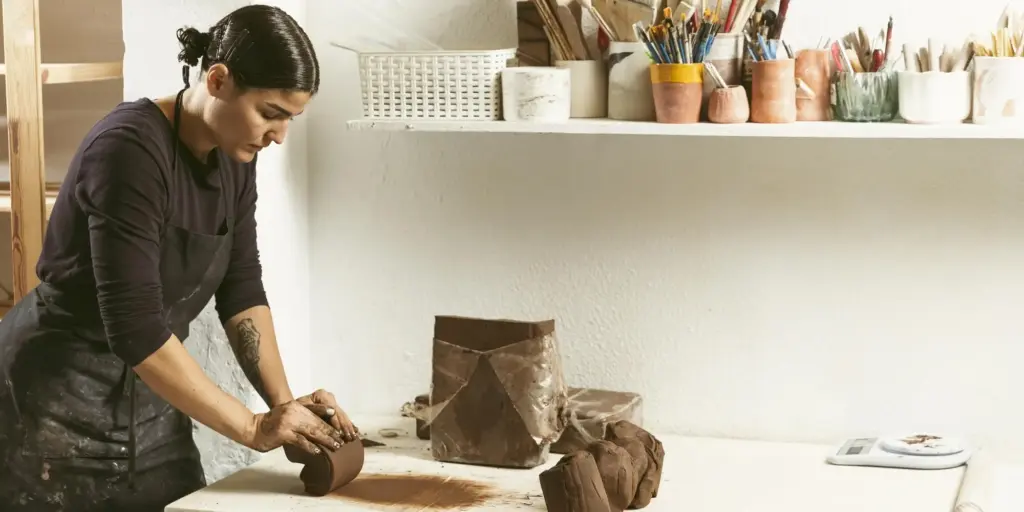
Residency prompts can listen to what the region already says: larch that moves with weather, chestnut that resists decay, wool that remembers slopes, clay that echoes riverbeds, and limestone that breathes with limewash. Constraints become allies—seasoning times, kiln sizes, humidity, and transport routes guide decisions. Field walks with foresters, shepherds, and quarry workers make supply chains visible, encouraging respectful extraction and generous reuse. When materials lead, outcomes feel inevitable, modest, and durable, embodying both place and maker without forced symbolism or hurried spectacle.
Care, Hospitality, and Wellbeing
Hospitality is infrastructure for courage: safe housing within a short walk, a bicycle or transit card, pantry staples, and a map of quiet places to think. Mentors schedule studio lunches where critique arrives with soup, not stress. Clear boundaries protect rest days, and a buddy system helps with hardware stores or regional accents. Small mindfulness habits—stretch breaks, ear protection rituals, sweeping together—keep bodies steady. When care is reliable, risks become playful rather than frightening, and visiting makers leave with stronger work and healthier rhythms they can sustain.
Designing a Connected Pipeline
Wayfinding from Curiosity to Livelihood
Micro‑Credentials with Soul
Mobility Without Losing Roots
Materials, Ecology, and Pace

Journeys You Can Feel in Your Hands

Shared Pots and Fair Stipends
Cooperative micro‑funds let several workshops host learners without gambling rent money. Local businesses sponsor safety gear, while festivals cover open‑studio costs. Stipends reflect housing reality and commute time, not fantasy budgets. Payment schedules match learning arcs, with bonuses for documented competencies rather than vanity metrics. Mentors receive teaching honoraria, acknowledging slowed productivity. Simple bookkeeping templates reduce headaches, and a solidarity line supports emergencies. When money moves predictably and respectfully, attention returns to tools, wood, clay, stone, and the steady growth of confident, employable hands.
Programs That Unlock Doors
Regional chambers, cultural offices, and cross‑border initiatives can underwrite exchanges, traveling showcases, shared equipment libraries, and translation support. Applications work best in two pages with clear calendars and community letters, not jargon. Partnerships bridge schools, guilds, farms, and museums, spreading both risk and insight. Where possible, match small grants with shop time instead of demanding cash matches. Evaluation favors lived outcomes—repairs completed, apprentices retained, collaborations formed—over glossy brochures. Programs remain flexible for storms, harvests, and family care, trusting that resilient schedules produce resilient craft businesses.
Evidence, Stories, and Invitations
Track just enough: competency checkpoints, survey snapshots, and photos of processes with permission. Pair numbers with human narratives so funders and neighbors feel the stakes. Publish brief notes after open studios, invite subscribers to material walks, and ask readers to share needs or offers. Alumni host Q&A evenings for the next cohort, turning success into shared infrastructure. If this vision resonates, add your voice—comment with a memory, propose a residency prompt, or volunteer a bench. Together, we can keep the pipeline generous, transparent, and rooted.